
ARTICLES

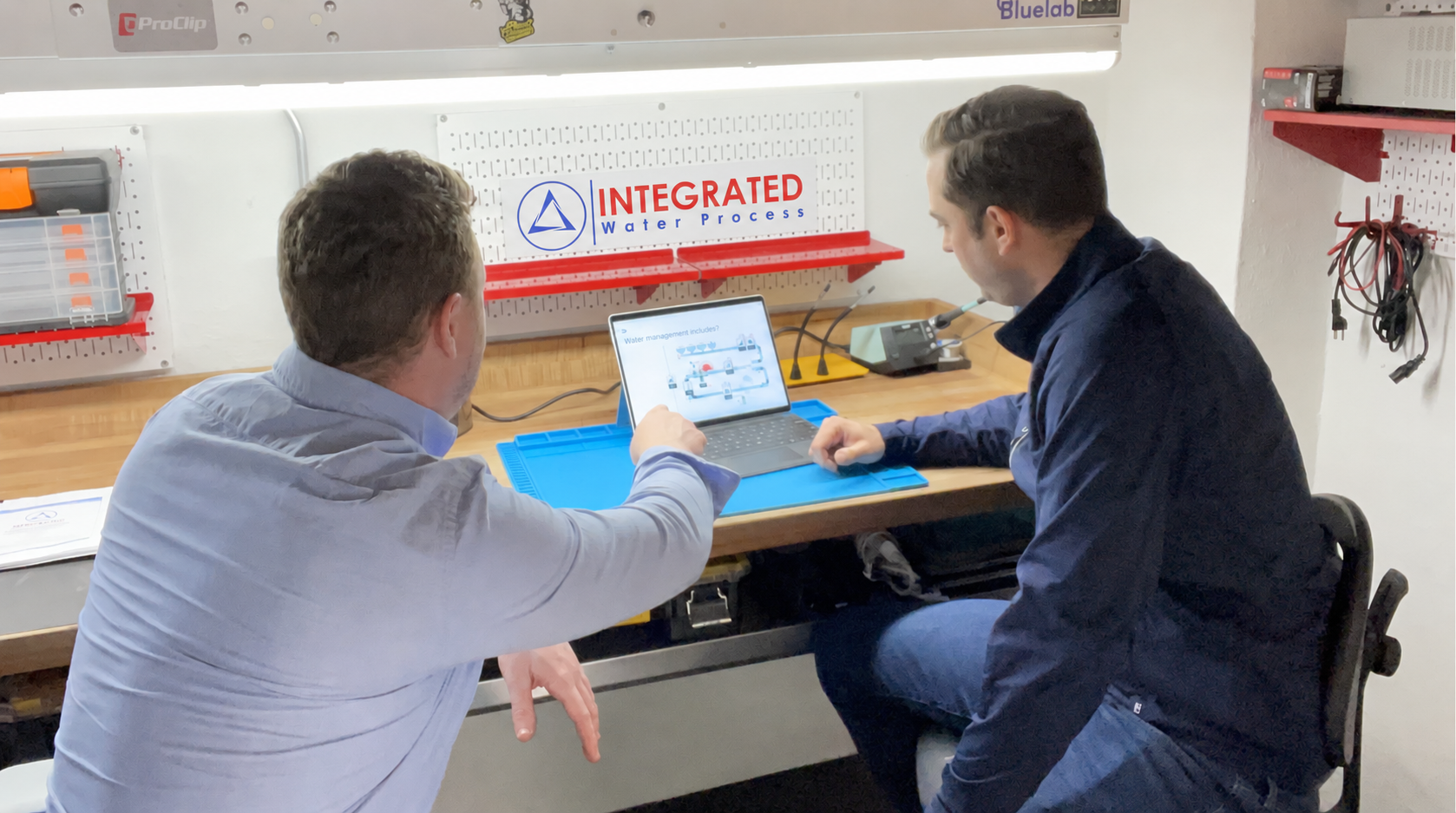
Owner’s Engineering for Commercial Hydroponic Water Systems
Originally published September 23, 2019. Updated October 2026. Commercial hydroponic water systems often involve multiple designers, contractors, equipment manufacturers, controls providers, and specialty vendors. Each party may be responsible for one part of the system, but the facility owner still needs the complete water process to work as one integrated... Read More
Condensate Recovery for Commercial Hydroponic Facilities
Originally published January 26, 2024. Updated October 2026. HVAC condensate can represent a meaningful source of recoverable water in commercial hydroponic and controlled environment agriculture facilities. Indoor cultivation environments remove large quantities of moisture from the air through cooling and dehumidification. Instead of sending that condensate directly to drain, facilities... Read More
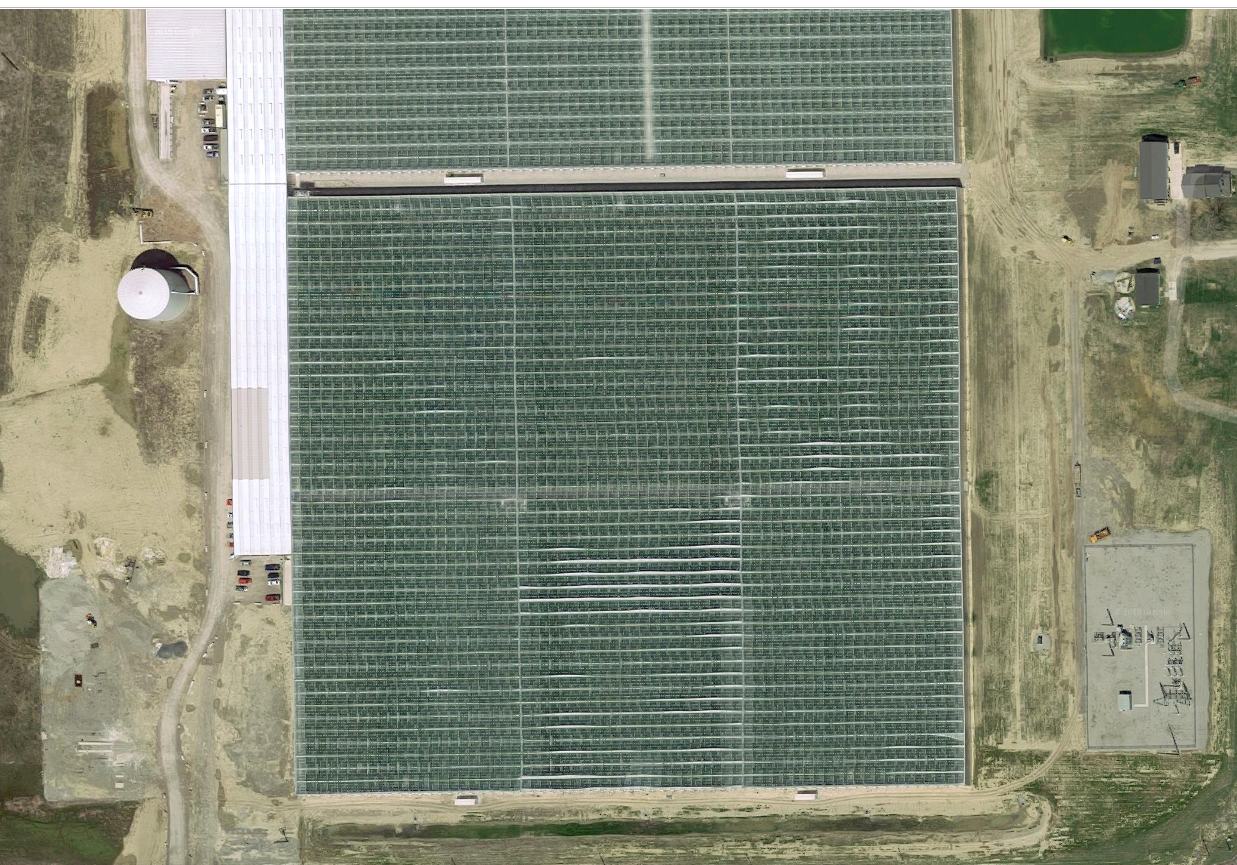
Project Planning for Commercial Hydroponic Water Systems
Originally published January 17, 2024. Updated October 2026. Commercial hydroponic water systems develop through a series of decisions that begin well before pumps, tanks, filters, or fertigation equipment are purchased. Source-water conditions, crop requirements, irrigation demand, treatment objectives, storage, pumping, controls, drainage, reclamation, available space, operating preferences, and budget all... Read More
Dissolved Oxygen in Hydroponics: What Growers Need to Know
Updated and technically reviewed by Brad Hull, PE - October 2026. Dissolved oxygen (DO) is an important water-quality parameter in hydroponic production because plant roots require oxygen for respiration. In a well-managed system, DO should be evaluated together with water temperature, electrical conductivity (EC), crop requirements, irrigation strategy, and the... Read More
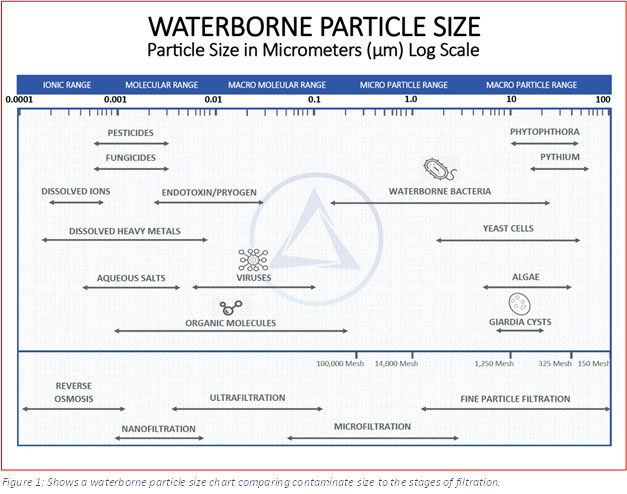
Hydroponic Water Filtration: A Practical Guide for Growers
Originally published April 11, 2023. Updated October 2026. Filtration is one of the fundamental processes in a commercial hydroponic water system. The objective is straightforward: remove particles or other unwanted material before they interfere with pumps, valves, treatment equipment, irrigation emitters, sensors, or crop production. There is no universal filtration... Read More