
Hydroponic Testing and Commissioning

Hydroponic testing and commissioning against defined operating requirements
Hydroponic testing and commissioning helps commercial growers check whether an installed water system performs its intended functions before operational handover. Integrated Water Process develops agreed test procedures, checks equipment and control responses, records operating results and identifies unresolved items. The work connects design requirements, field installation and the facility’s operating responsibilities.
Our Total Water Management approach considers how treatment, storage, pumping, nutrient delivery and irrigation work together. We support commercial greenhouse and indoor growing facilities across the United States, with particular focus on the Midwest and Mid-Atlantic.
Commissioning builds on the requirements defined during system design and the equipment installed during installation. Acceptance criteria, test conditions and responsibility for correcting findings are agreed before the work begins. Water testing and analysis provides a separate scope for investigating source-water or process-water quality.
Check the installed water system before operational handover
The problem: installed equipment has not yet demonstrated its operation
A completed installation does not by itself demonstrate that equipment and controls respond as intended. Pump operation, tank filling, treatment functions and irrigation delivery must be considered together under defined conditions. Missing procedures or acceptance criteria can leave the team without a consistent basis for evaluating the system.
The impact: operating questions remain unresolved
Unverified settings, control responses or delivery conditions can complicate the transition to normal operation. An operator may have limited information about which functions were tested and which findings still need attention. Without a documented handover, responsibility for corrective work and later checks can also be unclear.
The commissioning response: test, record and resolve
We define the checks, operating conditions and acceptance criteria with the responsible project participants. Test records identify the observed results, any deviations and items that need corrective work or further investigation. The handover distinguishes completed checks from outstanding actions and operating conditions that have not yet been demonstrated.
What hydroponic commissioning can cover
- Review the installation and available records: compare accessible equipment, connections and identification with the drawings and agreed commissioning scope.
- Develop test procedures: define prerequisites, test steps, measurements, expected responses and acceptance criteria.
- Check pumping and water delivery: record relevant flow, pressure and equipment behavior under agreed operating conditions.
- Check tank filling and transfer functions: review level indications, operating sequences and agreed control responses.
- Review treatment-equipment operation: check the installed functions and available process measurements against the equipment and project requirements.
- Check monitoring instruments: review relevant sensor readings, calibration information and their use in the operating sequence.
- Test defined controls and interfaces: observe agreed valve, pump, dosing, alarm and interlock responses with the responsible equipment or controls personnel.
- Document results and follow-up actions: record findings, coordinate corrective work and identify the checks needed before the agreed handover.
Commissioning records that support acceptance and handover
The project scope identifies the system boundaries, tests, participants and records included. Depending on the work, outputs can include:
- A commissioning plan and equipment list identifying the functions, prerequisites, responsibilities and test sequence.
- Documented test procedures and acceptance criteria linking each check to the applicable project or equipment requirement.
- Recorded operating results showing relevant measurements, control responses, test conditions and equipment settings.
- A findings and corrective-action list identifying deviations, unresolved questions, responsible parties and agreed next actions.
- Retest records documenting the checks repeated after corrective work and any remaining conditions or limitations.
- A commissioning and handover summary distinguishing completed tests, open items and information needed for operation and maintenance.
The commissioning records support the owner’s acceptance decision within the defined test scope. Installation work, laboratory analysis, detailed electrical work, controls programming and crop-management decisions have their own responsibilities. Any independent certification requirement is identified with the responsible parties in the project scope. Follow-up system maintenance uses the equipment requirements and operating information established during handover.
From agreed requirements to a documented commissioning handover
1. Review the system and define acceptance criteria
Review the available drawings, equipment information and intended operating requirements. Identify the system boundaries, functions to be demonstrated and criteria used to evaluate the results.
2. Confirm prerequisites and coordinate the test plan
Agree on the test procedures, available water and utilities, instrument information and required participants. Coordinate site access, equipment readiness, isolation arrangements and any operating interruptions with the facility and responsible personnel.
3. Run the agreed equipment and sequence checks
Complete the defined checks under recorded operating conditions. Observe relevant water delivery, treatment, monitoring and control responses, and identify conditions that prevent a planned test from being completed.
4. Document findings and verify corrective work
Record results against the agreed criteria and assign follow-up actions with the project team. Repeat the relevant checks after corrective work, with the scope and timing of retesting agreed.
5. Review the results and hand over operating information
Review completed checks, remaining findings and limitations with the facility team. Provide the agreed commissioning records and clarify operating responsibilities, further testing and maintenance actions needed after handover.
Connect commissioning checks to the water process
Hydraulic performance and equipment duty
Flow, pressure, tank levels and equipment operating conditions are recorded where relevant to the test plan. The requirements defined during design provide the basis for evaluating those measurements. A check at one operating condition is recorded as such, with additional demand conditions tested when included in the scope.
Water quality and precision operation
Precision means defining operating targets and acceptable deviations for water delivery and relevant process measurements. These can include pH, electrical conductivity (EC), temperature and other installed measurements appropriate to the system. Grower-defined nutrient and crop requirements inform the operating basis; commissioning checks whether the agreed equipment functions support that basis.
Controls, alarms and equipment interfaces
Test procedures identify the expected responses of the relevant pumps, valves, instruments and controls. Alarm and interlock checks are coordinated with the responsible personnel using agreed procedures and permitted test conditions. Responsibilities for controls programming, detailed electrical design and equipment changes are assigned to the appropriate project participants.
Equipment requirements and facility coordination
Project drawings, manufacturer procedures and owner requirements guide the commissioning work. The test plan identifies applicable requirements and the parties responsible for specialist checks or approvals. Water-system commissioning is coordinated with connected equipment and facility operations. Specialist electrical checks and facility approvals remain with the responsible disciplines and reviewing authorities.
Explore related irrigation pump, water storage, water filtration and hydroponic irrigation system solutions. The water-engineering glossary explains commonly used terms.
Documentation example: tracing an irrigation-control test
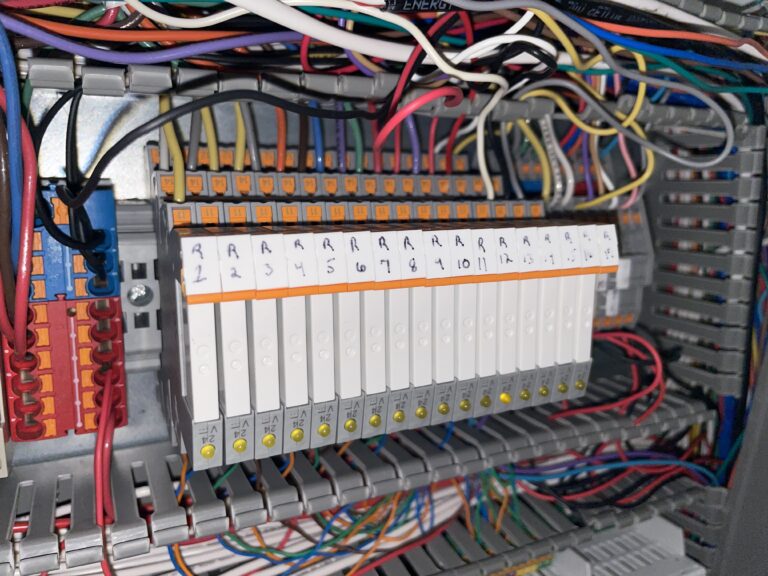
The photograph below shows relay modules, identifiers and wiring in an irrigation-control panel. It illustrates why commissioning connects the intended operating sequence to clearly identified equipment and recorded observations. A test procedure defines the relevant command, expected valve or pump response and permitted test conditions. The record then captures what was observed and any deviation from the agreed criteria. When corrective work is required, the findings list identifies the responsible participant and the function to be retested. Those records give the facility a traceable basis for reviewing the controls and planning the remaining handover actions.
Frequently asked questions about hydroponic testing and commissioning
How is commissioning different from installation?
Installation places and connects the equipment within an agreed work scope. Commissioning checks selected equipment functions, control responses and operating results against defined requirements. The commissioning record identifies what was demonstrated, any open findings and checks that could not yet be completed.
How are commissioning acceptance criteria established?
Criteria are agreed using the design requirements, equipment information and owner’s intended operating conditions. The test plan identifies expected results, permitted test conditions and the responsible participants. Requirements that are missing or unclear are resolved with the project team before the relevant acceptance check is completed.
Does commissioning include laboratory water analysis?
Commissioning can include relevant field measurements and checks of installed monitoring equipment. Laboratory analysis requires an agreed sampling and analytical scope and is not automatically included. Water testing and analysis can investigate source-water or process-water questions that inform the commissioning criteria.
What needs to be ready before commissioning begins?
Readiness depends on the tests being planned. Requirements can include completed installation tasks, available water and utilities, equipment documentation, instrument information, access and the responsible operator or supplier personnel. The commissioning plan identifies prerequisites and any conditions that prevent a test from proceeding.
What happens when a commissioning test identifies a problem?
The observed result and deviation are recorded against the agreed criteria. The project team confirms responsibility for investigation and corrective work, and identifies the checks that need to be repeated. The final records distinguish resolved findings from items that remain open or require additional testing.
Can an existing system be recommissioned?
An existing system can be reviewed to define a suitable testing scope after equipment changes, control modifications or unresolved operating issues. Available drawings, equipment condition and current requirements inform the test plan. Retesting is based on the functions affected and the information needed, rather than a universal calendar interval.
Discuss your hydroponic testing and commissioning scope
Tell us about your equipment, project stage and operating requirements. We can review the information available and define the equipment checks, test records and handover support that fit your facility.
Email service@waterprocess.com with your location, equipment information, project stage, available drawings and proposed start-up or testing schedule.